
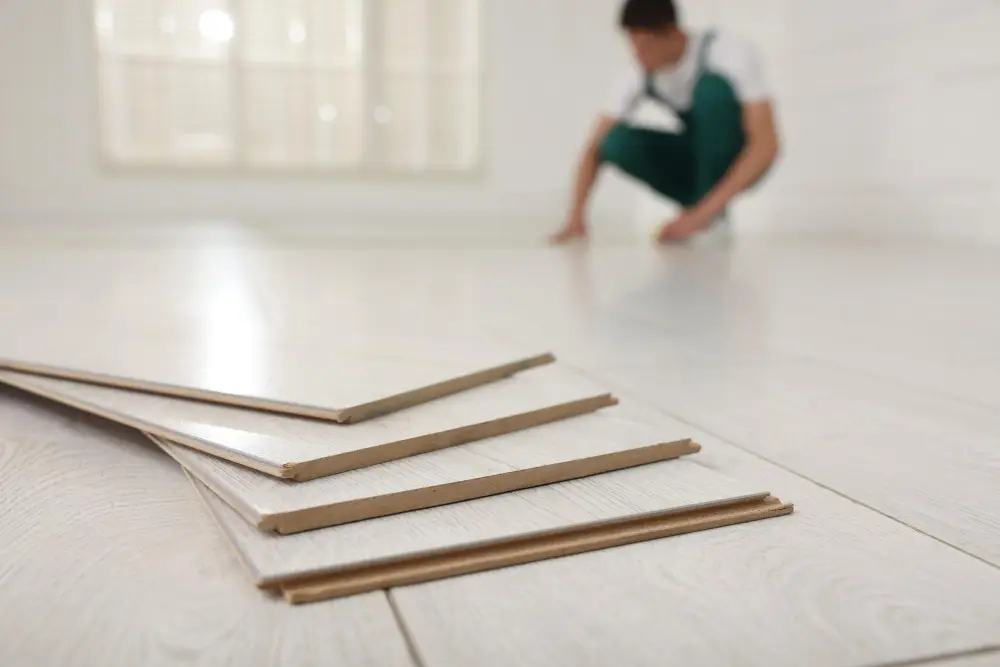
Flooring is one of the biggest decisions in a remodel. It covers every room, it takes a beating, and it sets the tone for how the whole house feels. Pick well and you get floors that last for years and still look right. Pick wrong and you are back at it sooner than you planned. Here is a look at the best flooring for a remodel and how to match the right material to each room.
What to Weigh Before You Choose
Every flooring type has trade offs, and the right pick depends on a few things about your home and your life.
Durability matters most in busy homes. Floors in a hallway, kitchen, or entry take far more traffic than a bedroom, so they need to hold up. Moisture is the next thing to think about. Bathrooms, kitchens, and basements deal with water and humidity that would ruin the wrong material. Then there is cost, which covers both the flooring itself and the labor to install it. Last comes the look, since the floor is a big part of how a room reads. Keep these four in mind and the choice gets clearer.
Hardwood
Hardwood is the flooring a lot of people picture when they think of a nice home. It looks warm, it lasts for decades, and it can be sanded and refinished when it wears, which few other floors allow. That ability to refinish is a big reason hardwood holds its value.
The downside is cost and moisture. Solid hardwood costs more than most options, and it does not like water, so it is a poor pick for bathrooms and basements. In the rooms it suits, though, like living rooms, bedrooms, and hallways, hardwood is hard to beat for looks and longevity. Buyers tend to love it too, which helps at resale.
Engineered Wood
Engineered wood gives you the look of real hardwood with a bit more toughness against moisture. It is built in layers, with a real wood top over a base that holds up better to humidity than solid wood does. That makes it a good fit for more rooms.
Where It Works
Engineered wood handles spaces where solid hardwood would struggle, like a kitchen or a room over a concrete slab. You get the real wood look on top with more stability underneath. It usually costs less than solid hardwood too.
The Catch
The real wood layer on top is thin, so engineered wood can be refinished only once or twice, if at all, depending on the product. Solid hardwood can be refinished many times. For a lot of homeowners, that trade is worth it for the lower cost and wider use.
Luxury Vinyl Plank
Luxury vinyl plank, often called LVP, has become one of the most popular remodel floors, and for good reason. It mimics the look of wood or stone, it stands up to water, and it handles heavy traffic without much fuss. For families and busy homes, that mix is hard to argue with.
LVP is also softer and warmer underfoot than tile, and it costs less than hardwood. It goes down over many surfaces and installs faster than a lot of options. Because it shrugs off water, it works in kitchens, bathrooms, and basements where wood would fail. The look has come a long way, and good LVP reads as real wood to most eyes. For a remodel that needs tough, water resistant floors on a budget, it is a strong pick.
Tile
Tile is the go to for wet areas, and nothing beats it for handling water. Bathrooms, laundry rooms, and mudrooms are where tile shines, since it takes spills and moisture without a problem and cleans up easily.
Tile is also hard and cold underfoot, which some people do not love, especially in a cold climate. Adding heated floors under the tile fixes that but adds cost. Tile lasts a very long time when installed well, and it comes in styles that copy wood, stone, and more. In the rooms that get wet, tile is often the right call.
Laminate
Laminate is the budget friendly option that copies the look of wood at a lower price. It is a printed layer over a dense core, topped with a wear coat that resists scratches. For a remodel where the budget is tight, laminate stretches the dollars.
The trade off is that older laminate did not handle water well, though newer water resistant versions have improved. It also cannot be refinished, so once it wears out you replace it. Still, for bedrooms, living rooms, and other spaces that stay dry, laminate gives you a decent look for less money. Just match the product to the room and do not put a non water resistant laminate in a wet area.
Matching Floors to Rooms
The smartest remodels do not use one floor everywhere. They match the material to what each room needs.
High Traffic Areas
Entries, hallways, and kitchens take the most wear. LVP, tile, or hardwood hold up best here. Skip anything that scratches or stains easily in these spots.
Wet Areas
Bathrooms, laundry rooms, and basements need water resistance above all. Tile and LVP are the safe picks. Keep solid wood out of these rooms entirely.
Bedrooms & Living Spaces
These rooms stay dry and see less traffic, so you have more freedom. Hardwood, engineered wood, and laminate all work well, and this is where you can lean into the look you want.
Think About Installation & Timing
The material is only part of the cost. Installation adds to the bill, and some floors take more work to put down than others. Tile is labor heavy, while LVP and laminate go down faster. Factor the labor into your budget, not just the price per square foot.
Timing matters too. Flooring usually goes in near the end of a remodel, after the messy work is done, so it does not get damaged. Order your material early, since some products have lead times, and a delay on the floor can hold up the whole finish of the project.
Pick Floors You Will Live With
The best flooring for your remodel is the one that fits how each room gets used, holds up to your household, and lands in your budget. There is no single right answer for a whole house. Match tough, water resistant floors to the wet and busy rooms, and save the softer, dressier options for the quiet ones.
Walk your home and think about how each room really gets used, then pick the material that suits it. A builder or flooring pro can walk you through samples and help you weigh cost against wear. Get the floors right, and they anchor the whole remodel for years to come.